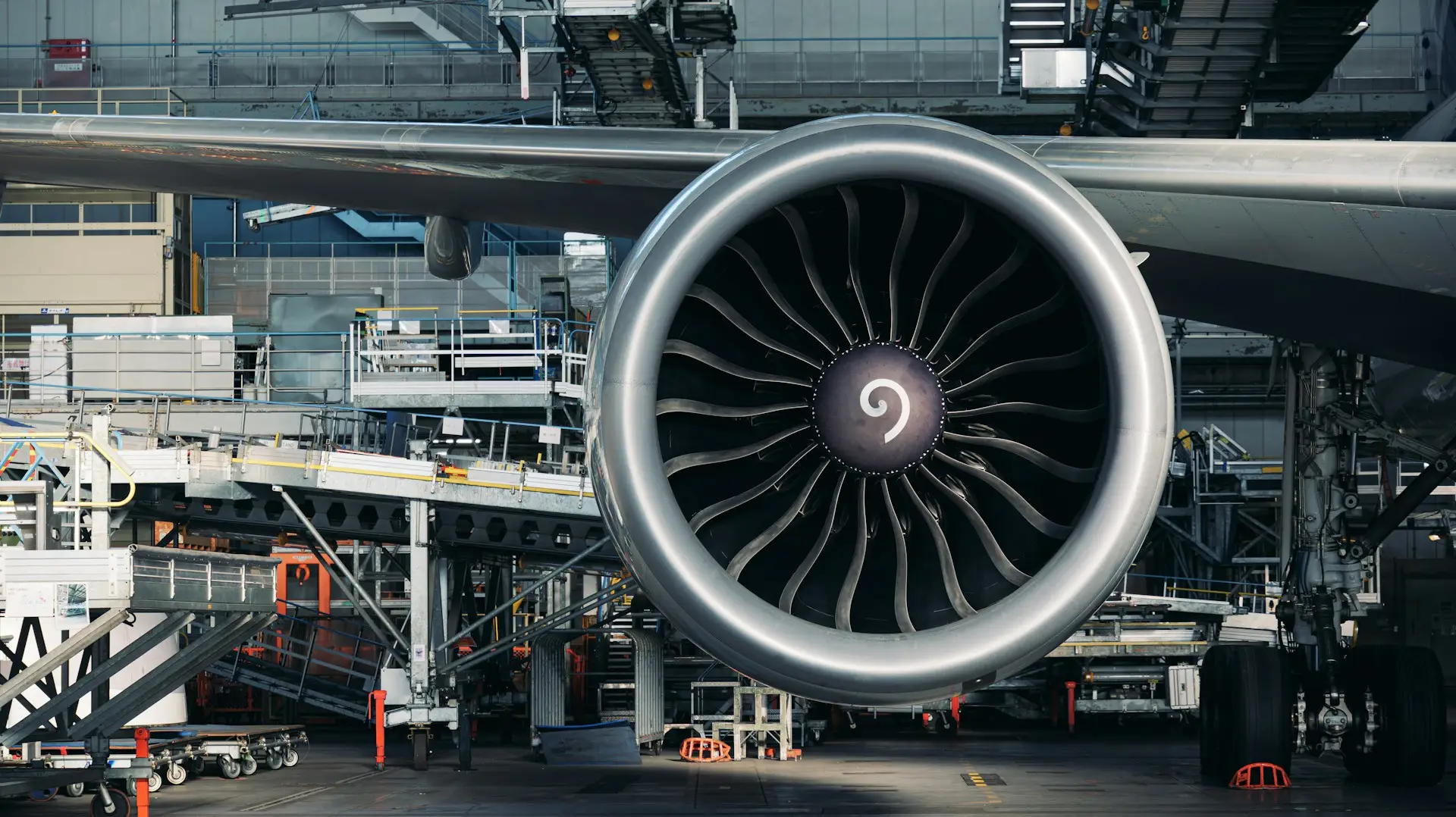
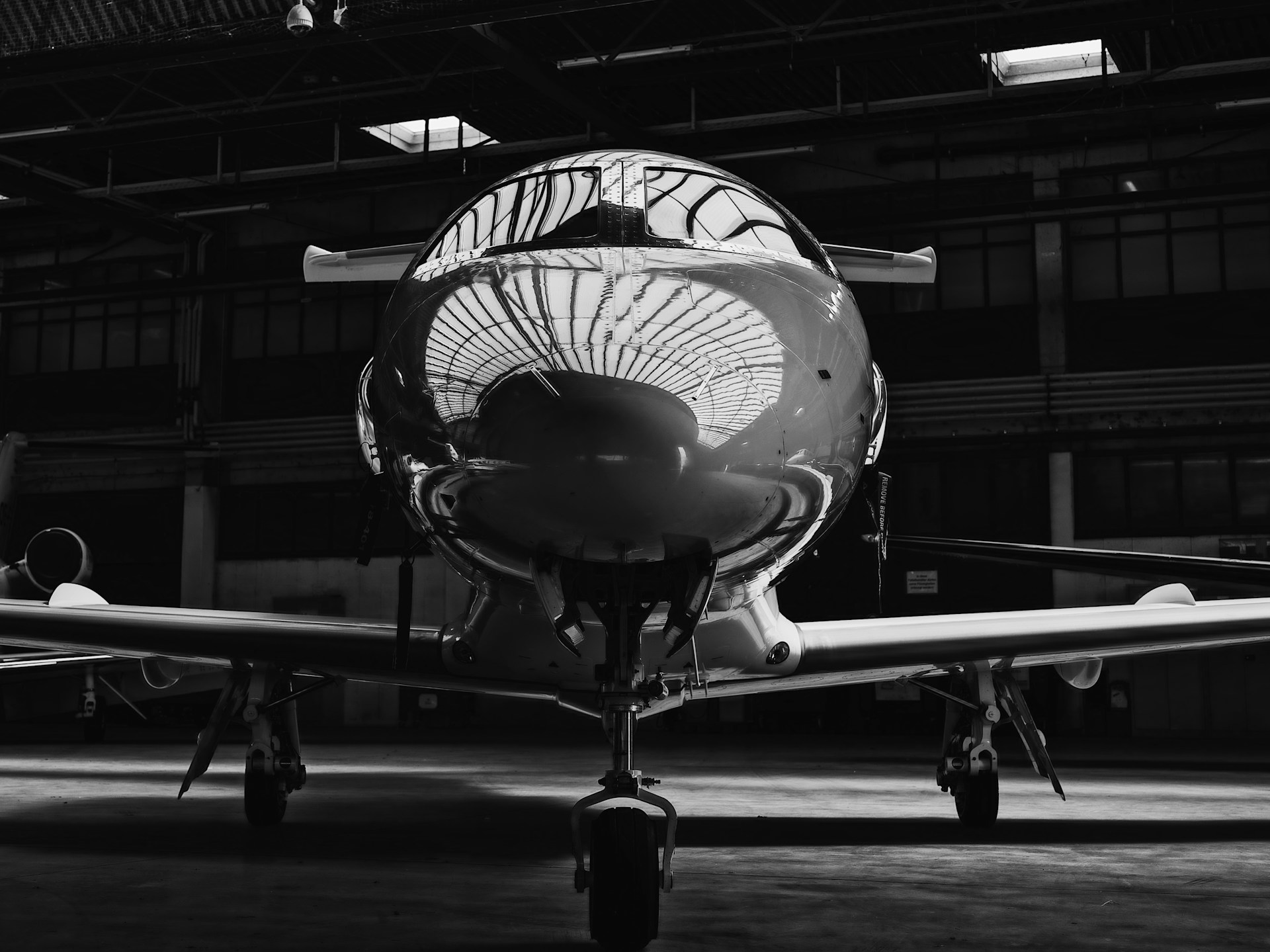
Distributed propulsion is a core pillar of the WHOLEFIELD safety architecture Four ducted units are distributed across both wingtips Each unit is driven by an independent motor, independent ESC, and independent power supply circuit
Propulsion System Integration
System Relationship Diagram // Propulsion System Flow and Spatial Integration Schematic
Propulsion System Schematic
System Architecture
Independently driven and mutually isolated. Each ducted unit is driven by an independent motor, independent ESC, and independent power supply circuit, with electrical and control systems completely isolated to prevent single-point failures from causing cascading effects.
System Status Legend
Normal Online / Closed-Loop Redundancy
Degraded Backup / Independent Isolation
Core Capabilities
Core Specifications and System Architecture
Differential Thrust, Agile Maneuverability
During transition flight, distributed propulsion enables differential thrust for yaw control, reducing reliance on aerodynamic control surfaces.
Aerodynamic Optimization
Aerodynamic interference among the four ducts is optimized, yielding higher overall efficiency than a single large rotor.
System Isolation
Deep physical and electrical isolation to prevent cascading failures.
Integration Efficiency
Highly integrated powertrain design to improve energy consumption performance.
Development and Validation Status
WHOLEFIELD remains steady and controllable under complex operating conditions, providing unprecedented safety assurance for urban air mobility. A comprehensive airworthiness verification system ensures consistent performance from every aircraft in extreme environments.
Explore the complete aircraft lineup powered by cutting-edge distributed electric propulsion (DEP) systems and their breakthrough aerodynamic performance.