WHOLEFIELD

Technology

Ducted Propulsion
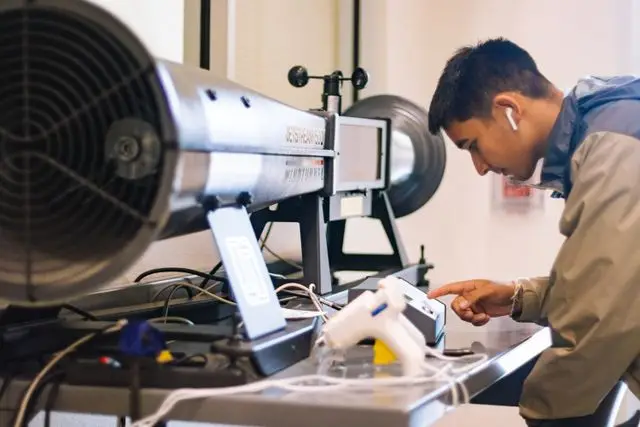

Exploring ducted propulsion, airflow management and control integration to guide aircraft engineering.

Why It Matters

An Efficiently Reconfigured Aerospace Propulsion Paradigm

Centered on the systemic interactions of ducted propulsion, presenting engineering synergy across propulsion, aerodynamics, structures, and control. Multiphysics coupled optimization creates a safe and reliable flight envelope.

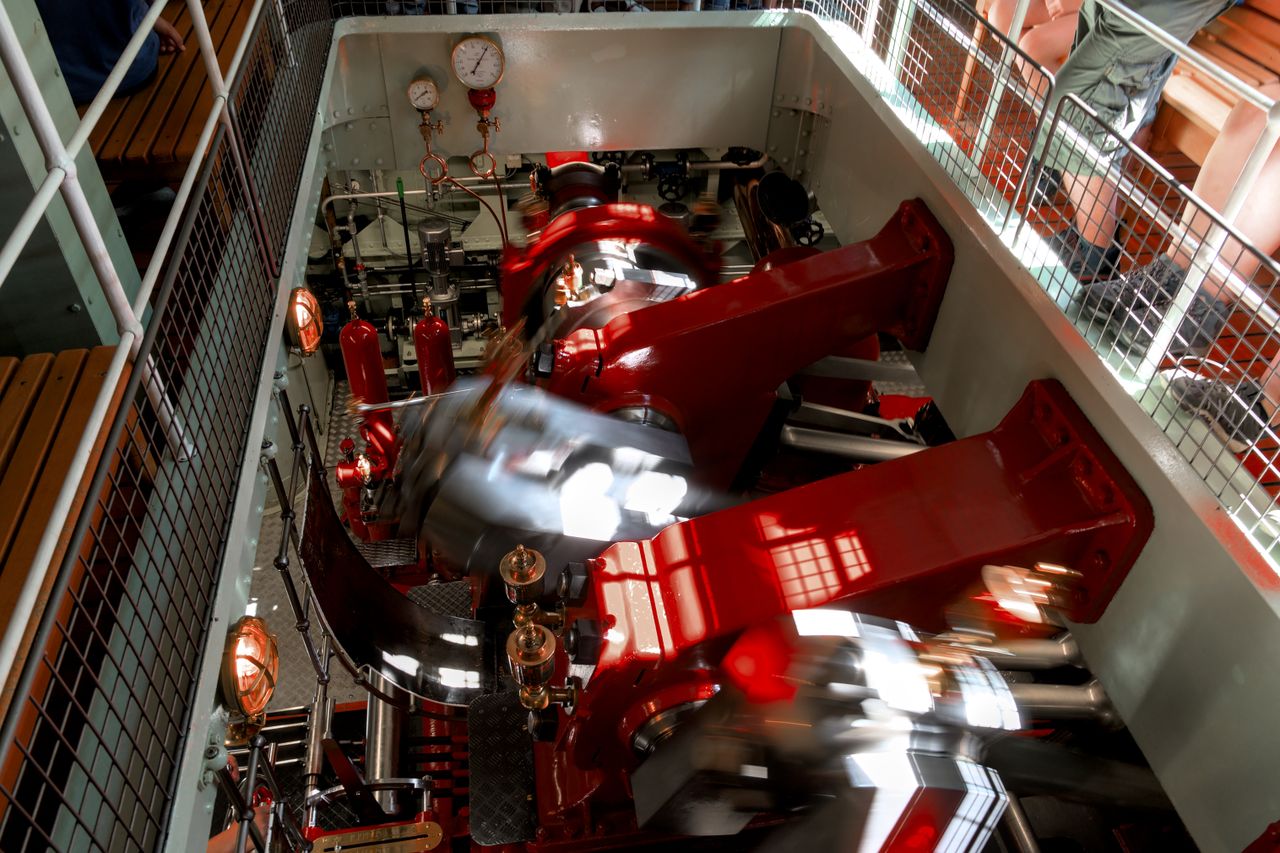
Spatial Integration System Schematic

Engineering Principles

Ducted Propulsion vs.
Open Rotor Comparison


By enclosing the fan within an aerodynamically designed duct, inflow and outflow can be structured, enabling comprehensive optimization across blade-tip flows, pressure distribution, and acoustic propagation. Compared to open rotors, ducted configurations involve distinct design trade-offs in propulsion system integration, aerodynamic control, and acoustic management; specific efficiency and noise reduction performance remain subject to validated data.

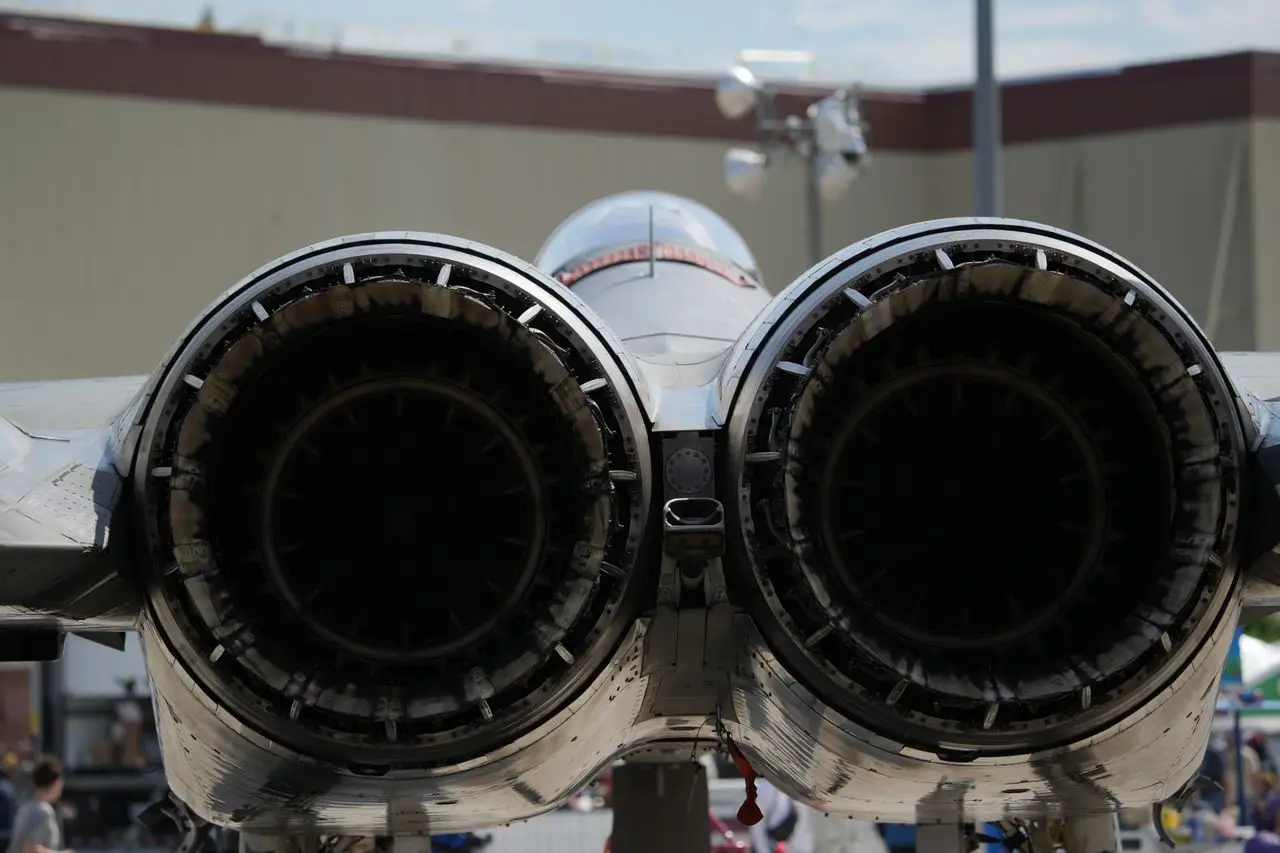
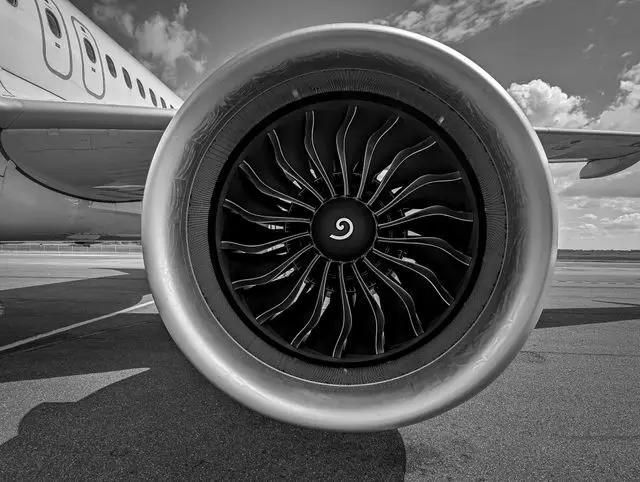
Ducted Flow Mechanism Schematic

01

Ducted Fan System

VS

02

Open Rotor Architecture

The above comparison illustrates design differences in aerodynamics, acoustics, and system integration between the two propulsion architectures, and does not represent unverified performance parameters or test conclusions.

Core Capabilities

Engineering Capabilities and Functional Safety

Acoustic Design Objectives

Optimized design around ducted aerodynamics and acoustic propagation paths aims to improve noise control performance while meeting propulsion requirements.

Coaxial Counter-Rotating Mechanism

Torque balance is achieved through counter-rotating propulsion configurations, reducing reliance on conventional anti-torque tail rotor solutions.

Ducted Protective Structure

The duct and protective structure provide physical isolation for rotating components, offering expanded integration margins for near-field protection and system safety design.

Independent Control

For multi-propulsion unit coordination, independent control, redundancy, and fault-isolation strategies establish a design foundation for thrust management and backup control under abnormal conditions.

R&D Status

Bench Validation & Compliance Status


WHOLEFIELD Aerospace follows a rigorous aircraft systems engineering development process. First-phase aerodynamic bench testing (Bench-test) of the proof-of-concept prototype has been completed as planned, providing preliminary validation of the ducted propulsion system's propulsive performance and key acoustic metrics. All published data have passed internal engineering audit and meet phase design expectations. Preparations for the next-stage system-level integrated mechanical evaluation are proceeding in an orderly manner.

View R&D Progress
Bench-test proof-of-concept model approved for public release (sanitized; excludes specific technical parameters and sensitive site identifiers)

Related Content

Propulsion Applications
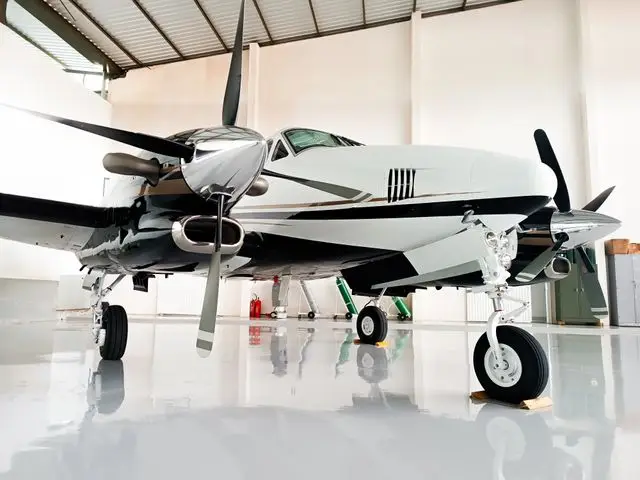
Exploring the integration of ducted propulsion architectures with aircraft platforms, power distribution, and related subsystems at the whole-aircraft and powertrain levels.

Related Aircraft

Flight Systems Integration

Studying the integration of multi-fan ducted propulsion systems with airframe aerodynamic layouts, comprehensively balancing lift requirements, parasitic drag, and structural arrangement.

Explore Aircraft Integration
Related Technologies

Distributed Propulsion Network

Coordinated control across multiple propulsion units to comprehensively optimize thrust distribution, flight control, and airflow around the wing.

Explore Distributed Propulsion

Continue Exploring

Transcending Physical Boundaries
Reshaping Next-Generation Aviation Propulsion

WHOLEFIELD Aerospace continues to advance high-efficiency ducted propulsion engineering, empowering future low-altitude safety and advanced air mobility through a broader flight perspective.